Notice
Children encounter new demands, distractions, and social pressures.
02 Our approach
Readiness does not appear overnight. It is built gradually through intentional and repeated experiences, long before those habits are tested.
01 The world children are growing up in has changed
Children today are growing up in a world shaped by constant stimulation, digital technology, and faster social pressures than previous generations experienced. These influences begin early and shape how children focus, listen, relate to others, and respond to challenge long before academic expectations increase.
In many communities, schools now spend the opening weeks of the academic year helping children settle, regulate emotions, and relearn how to listen and engage with one another.
This is not a failure of children, families, or schools. It reflects how much the world around children has changed and how foundational skills have not always been intentionally practiced early.
02 Readiness is built, not assigned
Children encounter new demands, distractions, and social pressures.
They pause, listen, respond thoughtfully, and try again in low-stakes moments.
Repeated experience turns skills into habits and internal muscle memory.
Students meet greater academic, social, and technological complexity with confidence.
03 Where Strong Start comes in
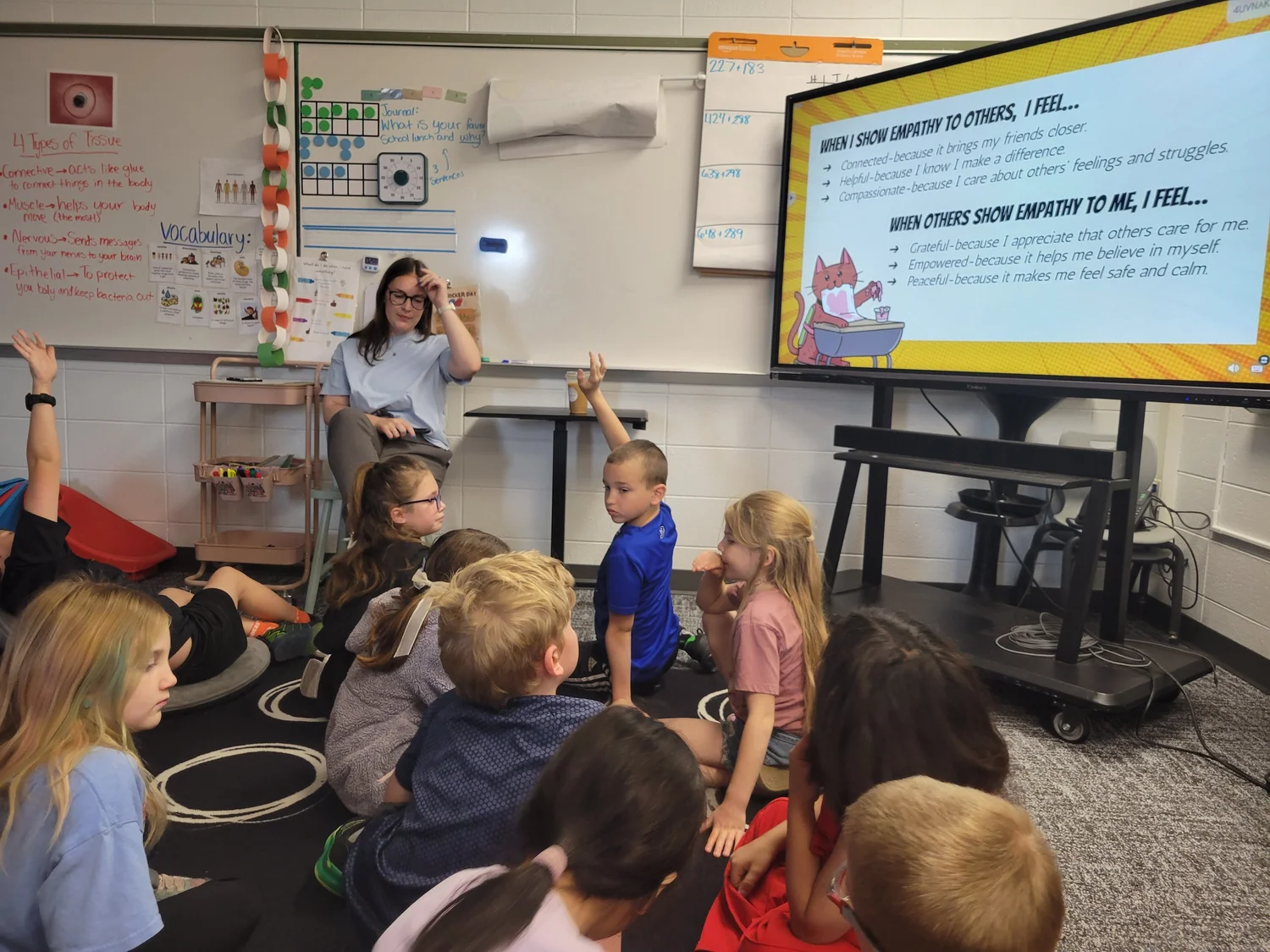
Instead of waiting until challenges surface later, we focus on helping children build these foundations early, while habits are still forming and growth is still flexible.
We help children practice relevance, purpose, and community connection repeatedly, so focus, respect, and resilience become habits rather than expectations placed on them later.
A system-level, community-aligned approach
Families, educators, and community partners all shape how children think, focus, and respond to challenge. When these influences are aligned early, children are better equipped to build the habits and mental discipline they need to stay on path as pressures grow.
Tools may evolve. Strong Start’s commitment does not.
Work with us ↗